Real-Time
In-motion scanning with no stop (<5 km/h)
A truck drives through the lane at a steady speed below 5 km/h; two LiDARs above the lane scan the bed and load, generate 3D point clouds, compare emp…
These issues raise operating costs, delay decisions, and create safety and settlement risks.
overload and off-center loads are caught late
Weighbridges weigh only — no volume; manual measurement is slow and error-prone; in split entry/exit layouts, empty and loaded states can't be matched
load data is keyed in manually instead of flowing into the system
How It Works
Fully automated from data capture to output — no manual intervention.
In-motion or static point cloud capture
Empty-vs-loaded comparison & volume calculation
Vehicle ID & volume data into management systems
Volume reports & settlement evidence for dispute-free billing
Why Neuvition

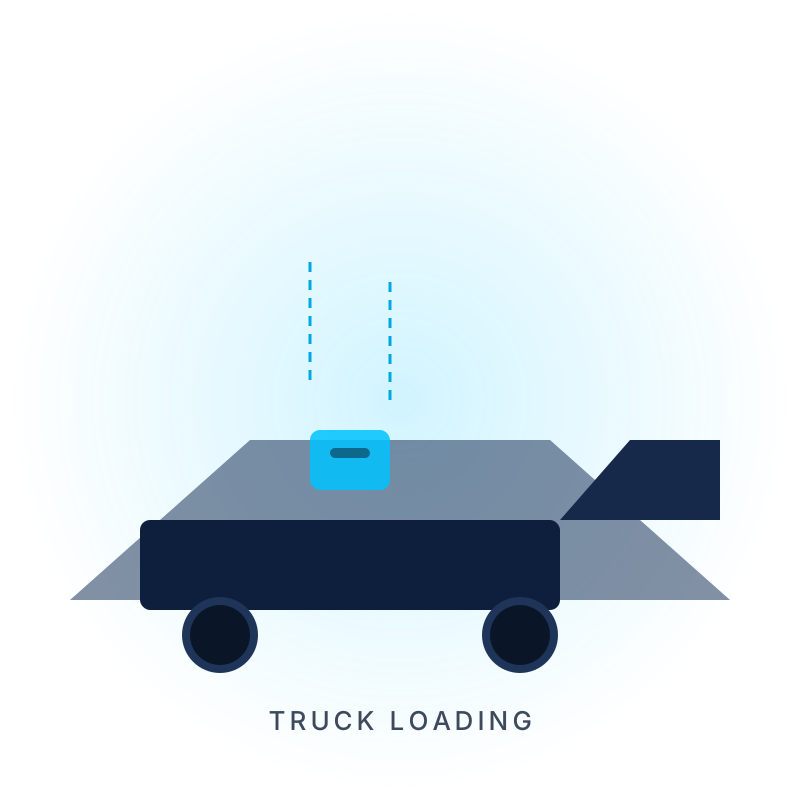
In-motion scanning with no stop (<5 km/h)
multi-lane entry/exit measurement with automatic empty-vs-loaded matching; bidirectional measurement with automatic head direction recognition
automatic truck-bed 3D dimensioning; internal stiffener ribs recognized to avoid volume errors
integration with PLC control systems
Explore customer cases by industry
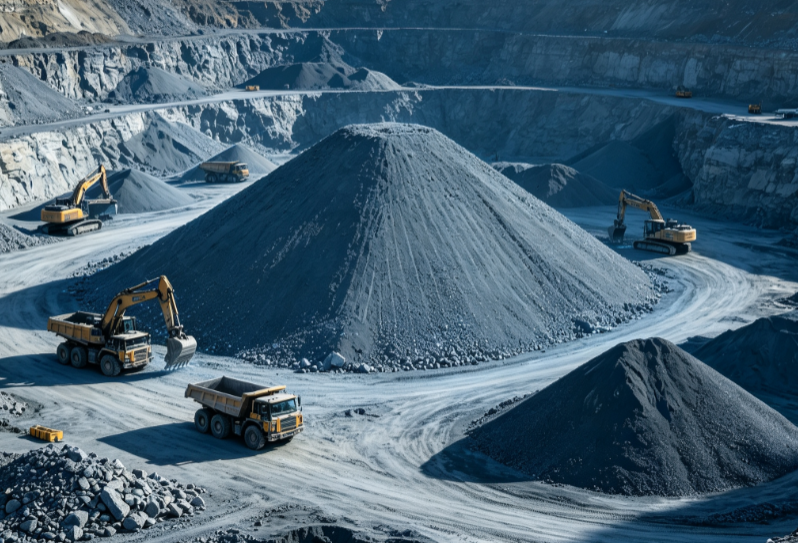 Mining
Monthly stockpile audits & volumetric freight settlement
Mining
Monthly stockpile audits & volumetric freight settlement
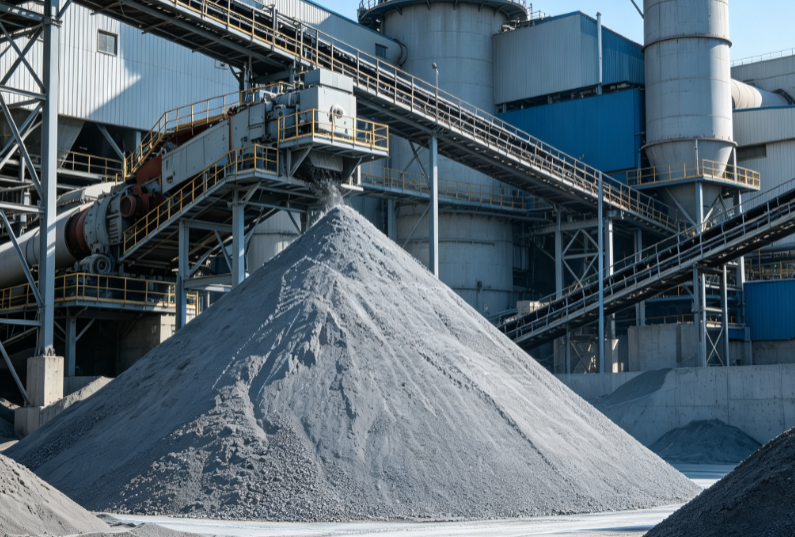 Cement
Clinker & raw stockyard inventory, load metering
Cement
Clinker & raw stockyard inventory, load metering
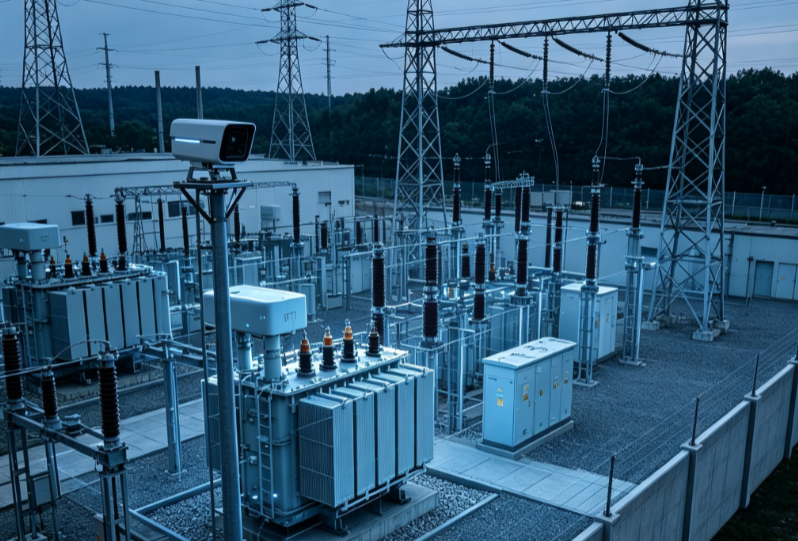 Power
Coal inventory management & feed metering
Power
Coal inventory management & feed metering
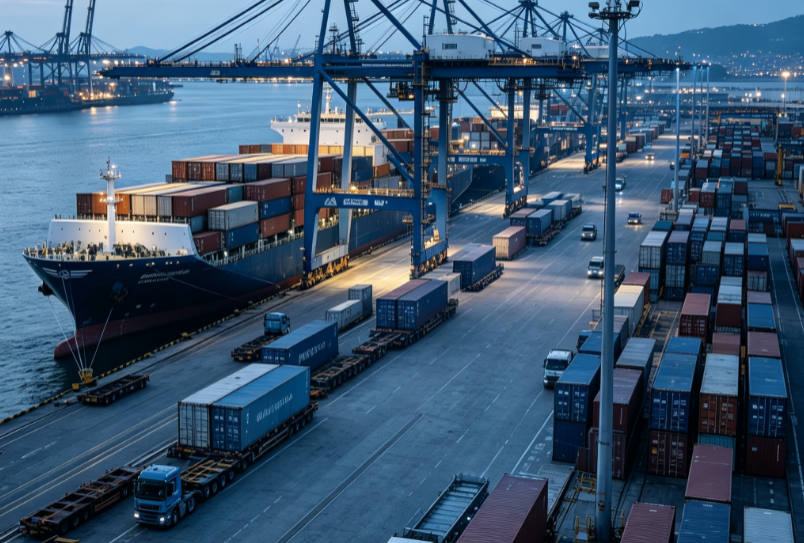 Port
Bulk yard handover & loading metering
Port
Bulk yard handover & loading metering
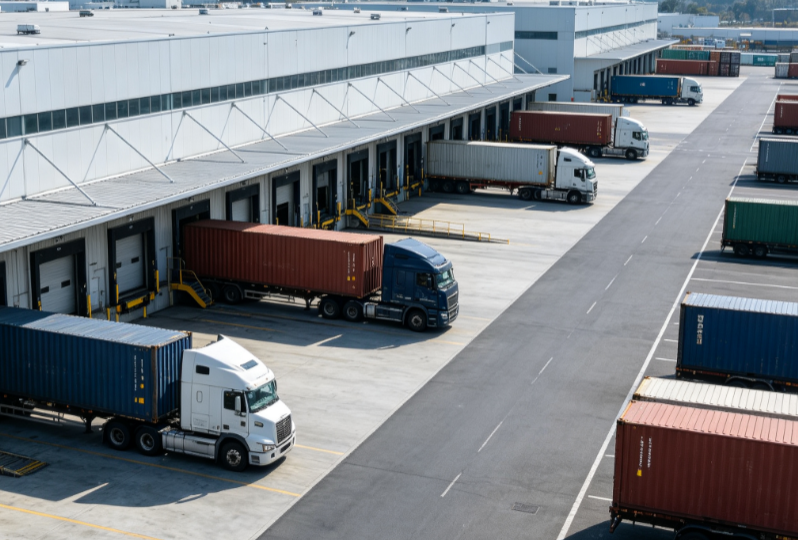 Logistics
Fleet load monitoring & digital waybills
Logistics
Fleet load monitoring & digital waybills
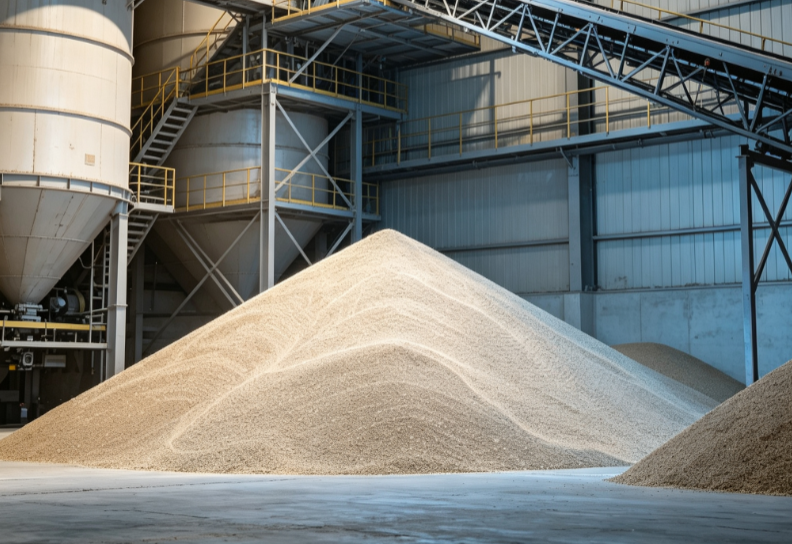 Grain
Grain depot supervision & load volume
Grain
Grain depot supervision & load volume
Load volume measurement and transport data management for bulk aggregate trucks. The system is deployed in the vehicle passage area of the customer's yard, scanning dump trucks in and out in 3D to capture loading status and automatically calculate the…
No — drive through steadily under 5 km/h.
Two LiDARs plus a power cabinet are installed above the lane and calibrated.
Direct PLC via communication protocols plus API for upper systems.
Light rain or snow is fine; heavy dust or water vapor reduces accuracy.
±3% (12–25 m³), ±2% (>25 m³).
≤7.5m recommended, up to 9m (adjusting height changes accuracy).
±3% (12–25 m³), ±2% (>25 m³).